

Is Pressure-Treated Pine Right for Your Deck? Pros & Cons
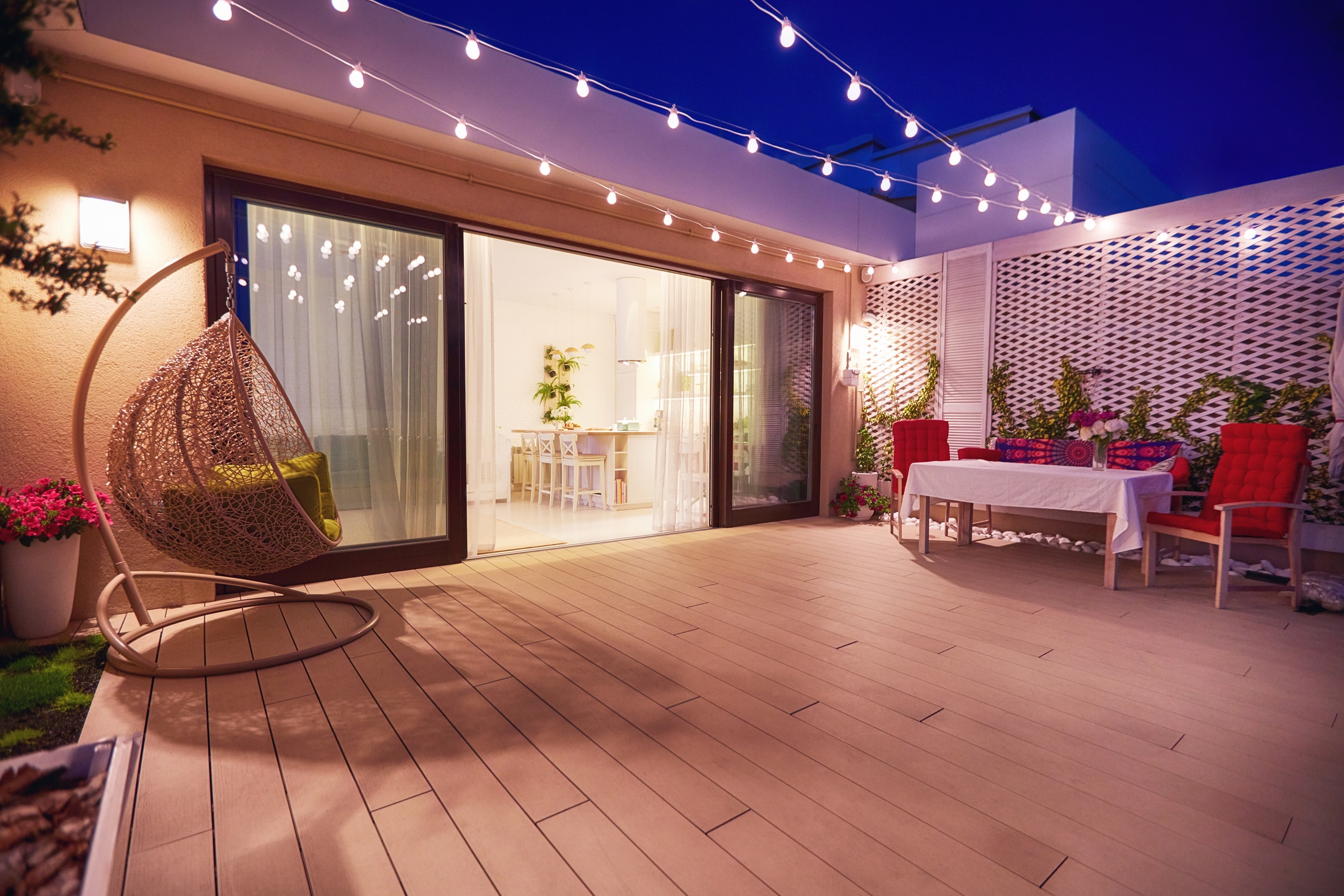
Choosing the right decking material for your Charlotte home is important to ensure it delivers the aesthetics and durability you need. One popular choice is pressure-treated pine (PTP), thanks to its classic look and affordability. However, this option has some downsides.
To help homeowners determine if pressure-treated pine is the right choice for their project, the experts at Deck Plus discuss the various benefits and disadvantages here, along with important factors to consider when choosing the material for your new deck.
How Pressure-Treated Pine Performs in Charlotte Weather
Charlotte’s climate is the kind of environment where pressure-treated pine can perform well or deteriorate quickly, depending on maintenance and build quality. Between summer humidity, heavy pollen seasons, and intense sun exposure, your deck is constantly dealing with moisture, heat, and UV stress.
Key Climate Factors That Affect Pine Decks in Charlotte
Pressure-treated pine is designed to resist rot and insect damage, but it’s still a natural wood that reacts to the elements. In Charlotte, these conditions matter most:
-
High humidity can encourage mildew and algae growth, especially in shady yards
-
Frequent summer rainstorms increase moisture exposure and slow drying time
-
Strong UV exposure speeds up fading, surface cracking, and splintering
-
Seasonal temperature swings cause boards to expand and contract, leading to minor movement over time
What You Can Expect Over Time
Even quality pressure-treated boards will show changes in this region without proper upkeep:
-
Small cracks
-
Fading and graying if left unsealed
-
Potential for warping or cupping if drainage and ventilation aren’t built correctly
-
Faster wear in high-sun or low-airflow areas
How to Help Pine Last Longer in This Climate
Charlotte-friendly longevity depends heavily on maintenance and construction details. Homeowners can reduce weather-related damage by:
-
Cleaning seasonally to remove pollen, mildew, and debris
-
Staining and sealing on a consistent schedule, often every one to two years
-
Avoiding thick paint coatings that can peel or trap moisture
-
Ensuring proper board spacing and under-deck ventilation
If you’re planning a build or replacement, working with deck builders serving Charlotte can make a big difference—local crews know how Charlotte’s humidity and rainfall patterns affect wood decks.
The Benefits of Pressure-Treated Pine Decks
Pressure-treated pine has been widely used for decks and other outdoor structures since the 1930s, when the pressure-treating process was developed. Manufacturers infuse wood with chemical preservatives under high pressure to prevent issues such as decay, moisture, and other damage.
It’s still a top choice for decking today thanks to its many benefits, including:
- Versatility: Pressure-treated pine is pliable, making it easy to work with for a wide range of deck designs.
- Natural aesthetic: PTP is an excellent choice for homeowners seeking the natural beauty of real wood, as its grain offers a classic look.
- Affordability: As the most cost-efficient decking material in the nation, PTP is a popular choice for budget-conscious homeowners.
- Durability: When properly maintained, PTP decks have long lifespans, allowing homeowners to enjoy them for years to come.
The Disadvantages of Pressure-Treated Pine Decks
Like any decking material, PTP has its disadvantages. However, most can be avoided with the proper care. PTP is prone to cracking, warping, and cupping in sunny areas if not regularly cleaned, stripped, and stained.
Because it’s sensitive to sun exposure, it’s recommended that homeowners use UV-protective stains rather than paint to prevent discoloration and weathering. You can ensure longevity and performance by sealing your deck annually and hosing it down on sunny days.
Pressure Treated Pine vs Composite and PVC Decking
Pressure-treated pine remains popular because it’s affordable and has that natural wood look. But composite and PVC decking have become strong competitors because they reduce the ongoing work required to keep a deck looking good.
Pressure-Treated Pine: Best For Wood Look & Lower Upfront Cost
Pros
-
Often the most budget-friendly decking material
-
Real wood grain and classic appearance
-
Easy to cut, shape, and customize
-
Often cooler underfoot compared to synthetics
Cons
-
Requires regular sealing or staining
-
More likely to splinter, crack, or warp over time
-
Can fade quickly in direct sun
-
Shorter lifespan versus premium engineered materials
Composite Decking: A Low-Maintenance Middle Ground
Composite decking uses wood fibers and recycled plastics to provide a wood-like appearance with reduced maintenance.
Pros
-
Low maintenance, usually just cleaning
-
More consistent color and surface than wood
-
Better resistance to rot, insects, and moisture
-
Long-term value for high-use decks
Cons
-
Higher upfront cost than pine
-
Some products can get warm in full sun
-
Still may expand and contract slightly in the heat
If you’re comparing composite options, Trex composite decking in Charlotte is one of the most popular choices because it delivers a wood-style look without the constant sealing and refinishing.
PVC Decking: Premium Option for Maximum Durability
PVC is fully synthetic, making it extremely resistant to moisture-related issues.
Pros
-
High resistance to water, mold, and insects
-
No splintering
-
Very low maintenance
-
Excellent for shady, damp, or poolside areas
Cons
-
Often, it’s the most expensive option
-
Can look less natural compared to wood
-
Heat retention varies by product line
When Pressure Treated Pine Is and Is Not the Best Choice
Pressure-treated pine can be an excellent choice—especially when installed correctly and maintained consistently. But it isn’t ideal for every homeowner or property.
Pressure-Treated Pine Is Often the Best Choice If
-
You prefer the look and feel of real wood.
-
You don’t mind seasonal maintenance.
-
You plan to stain or customize the finish color.
-
You want design flexibility, including curves, steps, and built-ins.
It can also be a smart pick for homeowners building smaller decks or platforms, where upgrades to premium materials may not make financial sense.
Pressure-Treated Pine May Not Be the Best Choice If
You may want to consider composite or PVC instead if:
-
You want the lowest maintenance possible.
-
Your deck is in constant shade. Slower drying means more mildew risk.
-
Your deck gets full sun all day. Faster drying could lead to cracking and fading.
-
You’ll have heavy foot traffic, pets, or frequent entertaining.
-
You want a more uniform, long-lasting appearance over time.
Consider the Bigger Outdoor Living Plan
If your deck is part of a larger outdoor space, especially one that includes patios, pavers, fire features, or seating walls, you may want to select materials that coordinate. In those cases, exploring custom patios and hardscapes can help you design a more cohesive outdoor living layout.
See Examples Before You Decide
Before committing to pressure-treated pine or switching to composite or PVC, it helps to see what finished projects in Charlotte-area homes look like. The outdoor living project gallery can give you inspiration for:
-
Pressure-treated decks with custom stain finishes
-
Composite decks paired with patios and porches
-
Mixed-material outdoor living designs
-
Railings, stairs, lighting, and layout ideas
The Importance of Choosing the Right Decking Materials
When choosing the decking material for your Charlotte home, it’s essential to consider these factors to ensure your new deck meets your needs:
- Climate: North Carolina’s humid summers and chilly winters require homeowners to pick materials that can handle moisture and temperature fluctuations.
- Maintenance: Homeowners should consider how much maintenance they’re willing to do on their deck, from regular cleanings to annual staining and sealing.
- Budget: With so many decking materials on the market, your budget can be a great way to narrow down your choices.
- Style: Consider what goes best with your home’s architecture – modern and sleek composite options or something more natural like wood.
- Durability: Homeowners should assess the wear and tear their deck may experience. If it’s a high-traffic area, you may want to go with a more robust material.
Get a Free Estimate Today
If you’re ready to choose the best material for your next deck, call the team at Deck Plus. We have years of experience offering superior design and quality builds. We collaborate with our customers on any project from start to finish. Plus, with our outstanding reviews, you’re sure to experience the Deck Plus Difference.
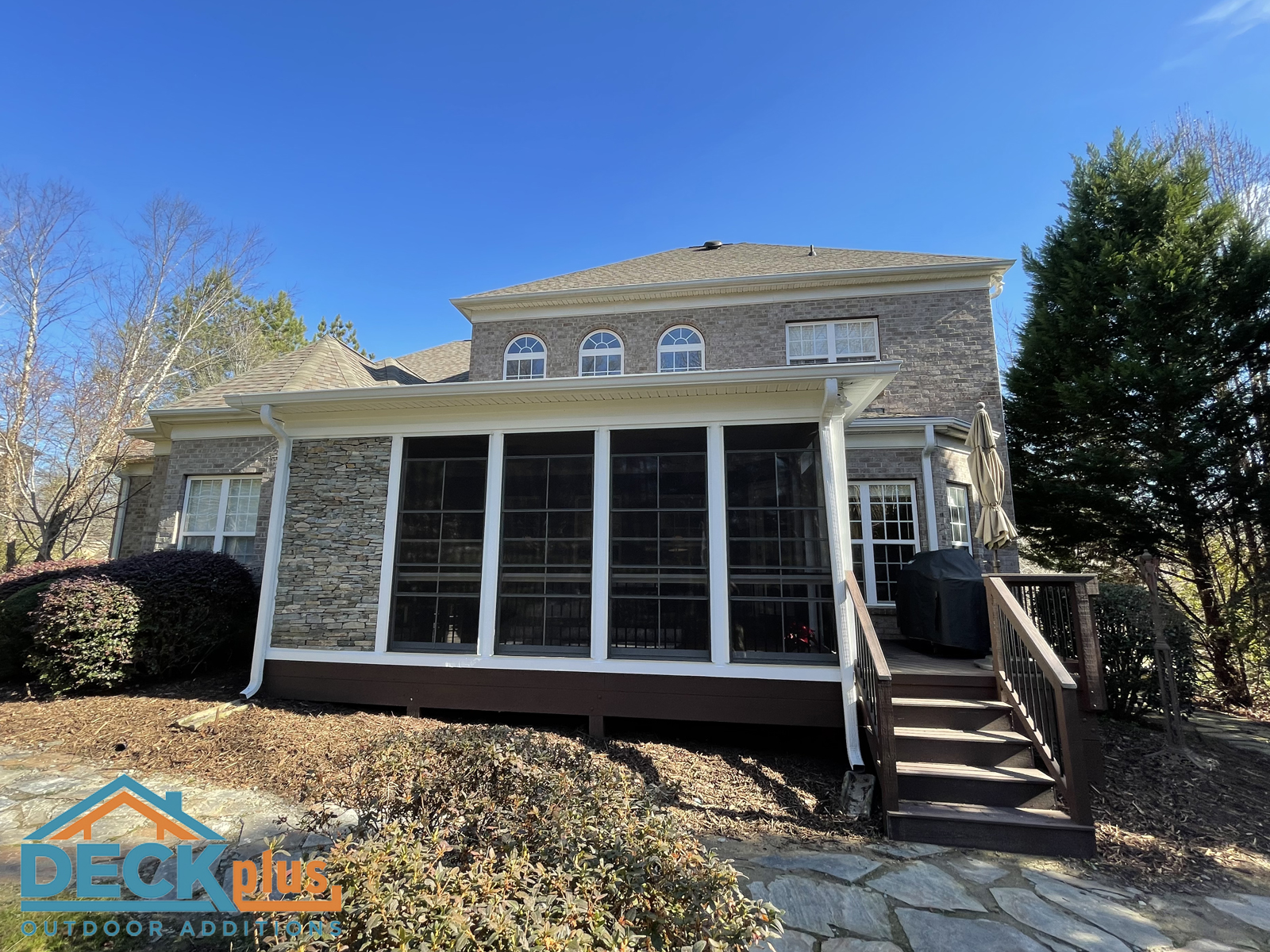
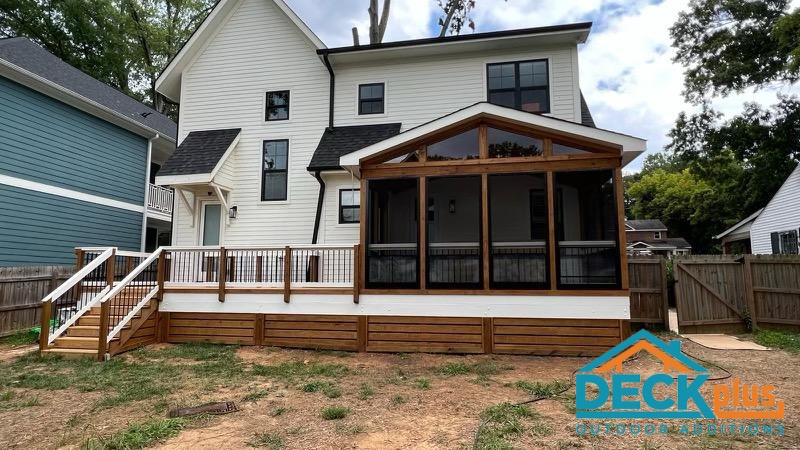
Bring your outdoor space to life by calling Deck Plus and scheduling deck installation in Charlotte, NC.
Contact Us Today
- Mooresville
- Cornelius
- Huntersville
- Davidson
- Concord
- Charlotte
- Steele Creek
- Waxhaw
- Weddington
- Matthews
- South Park
- Myers Park
- Indian Trail
- Monroe
- Cotswold
- Fort Mill
- Indian Land
- Rock Hill
- Mooresville
- Cornelius
- Huntersville
- Davidson
- Concord
- Steele Creek
- Weddington
- South Park
- Myers Park
- Indian Trail
- Monroe
- Cotswold
- Rock Hill
- Mooresville
- Cornelius
- Huntersville
- Davidson
- Concord
- Charlotte
- Steele Creek
- Waxhaw
- Weddington
- Matthews
- South Park
- Myers Park
- Indian Trail
- Monroe
- Cotswold
- Fort Mill
- Indian Land
- Rock Hill
- Mooresville
- Cornelius
- Huntersville
- Davidson
- Concord
- Steele Creek
- Weddington
- South Park
- Myers Park
- Indian Trail
- Monroe
- Cotswold
- Rock Hill